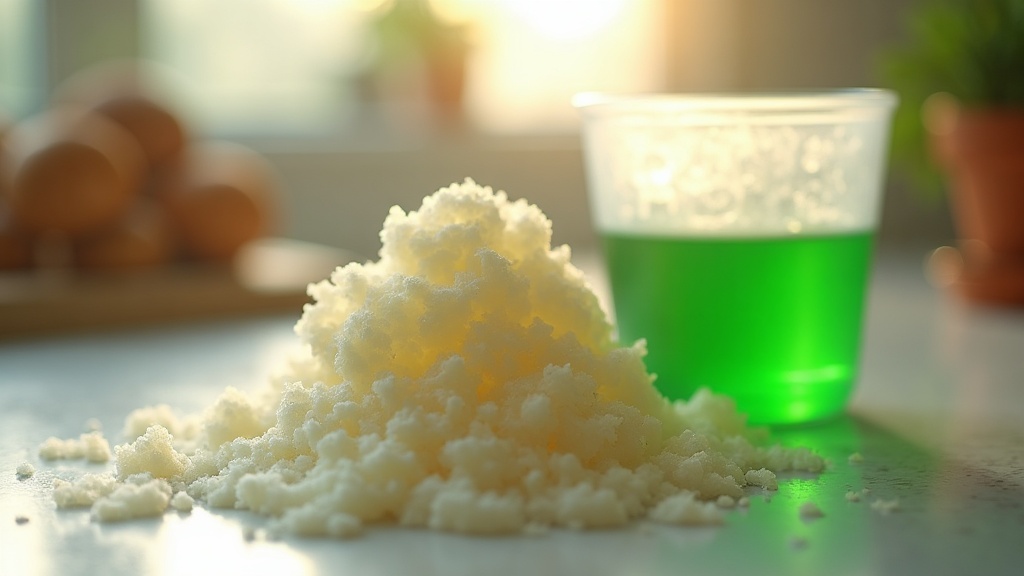
A short educational video looks at how a simple pairing of baking soda e gelatin has resurfaced in kitchen wellness conversations — and what the available information actually says about it.
nSurvey data from wellness researchers consistently shows that women report noticing physical changes years before those changes become visible. Four patterns come up again and again in that conversation.
nThe proportion of lean tissue in the body tends to shift gradually across adulthood, a process influenced by hormones, activity, and nutrition rather than any single cause.
The body's natural collagen synthesis tends to decline gradually with age, which is part of why interest in habits involving baking soda e gelatin has grown in kitchen wellness circles.
The hormonal signals that tell the brain 'I've had enough' can shift throughout a woman's life, which affects how fullness feels from one season of life to the next.
Generic calorie-counting approaches often overlook structural nutrition — the proteins and minerals that support tissue, joints, and skin, not just energy balance.
Wellness conversations online are full of shortcuts and half-truths. Here is what a closer look at the topic actually shows.
nMetabolism completely stops after a certain age.
nMetabolic rate shifts gradually over time and is shaped by muscle mass, sleep, hormones, and activity — not a fixed cutoff.
nEating less is always the answer.
nNutrient quality and adequate structural protein intake matter as much as total calorie count for most women.
nA single ingredient or supplement changes body composition on its own.
nBody composition reflects the sum of daily habits — sleep, movement, nutrition, and consistency — built over months, not days.
nRather than chasing quick fixes, the educational content walks through a three-part way of paying attention to daily habits.
nStart by noticing hunger cues, sleep quality, and energy levels without judgment, simply as information to track.
nSome women build a short evening ritual around warm, simple ingredients — including kitchen staples like gelatin — as a consistent, low-effort routine.
nInstead of focusing only on a number on a scale, some women keep informal notes on energy, mood, and how clothing fits over time.
nGelatin has a long history in home kitchens — from broths simmered for hours to old-fashioned desserts passed down through generations. Baking soda has its own separate tradition, used for generations as a leavening agent and an all-purpose pantry staple. Neither ingredient is new, and neither was originally paired with the other for wellness purposes.
nWhat’s changed is not the ingredients themselves, but renewed curiosity about traditional kitchen staples and what modern nutrition science says about protein, minerals, and everyday habits.
nFeeling hungry sooner after meals, or noticing appetite fluctuate more than it used to.
A gradual change in skin firmness or texture, often first noticed around the face and hands.
Occasional stiffness or reduced comfort in joints after periods of inactivity.
Clothing fitting differently in the midsection even without significant changes on a scale.
Feeling more fatigued in the afternoon than in previous years, despite similar sleep habits.
Nails that seem more brittle, or hair that feels different in thickness or texture.
These reflections are individual opinions shared voluntarily. Individual results may vary, and these testimonials are not a guarantee of any specific outcome.
nHydrolyzed gelatin is gelatin that has been broken down into smaller protein fragments, making it easier to dissolve in liquids. It comes from the same collagen-based source as traditional gelatin.
nNo. This is educational content about kitchen habits and nutrition topics. It is not a treatment, diagnosis, or cure for any condition.
nWomen who are curious about traditional kitchen ingredients and general wellness habits may find the presentation informative.
nNo. This content is for general educational purposes only and should never replace guidance from a qualified healthcare professional.
nBoth are long-standing kitchen staples that have drawn renewed curiosity in wellness conversations. The video explores how and why they’re discussed together.
nThe presentation references general nutrition science concepts. As with any wellness topic, viewers are encouraged to review information critically and consult a professional.
nThe free video presentation goes into more detail. You can access it through the button on this page.
nWatch the free educational presentation to see how the conversation around baking soda e gelatin fits into a broader understanding of women’s wellness habits.
nAdvertising Disclosure: This page contains sponsored content and affiliate links. We may receive compensation if you make a purchase or take an action through links on this page. This helps support the creation of educational content and does not increase any cost to you.
nContent Disclaimer: The information provided on this page is for educational purposes only and is not intended as medical advice. Statements have not been evaluated by the Food and Drug Administration. This content is not intended to diagnose, treat, cure, or prevent any disease or health condition. Always consult a qualified healthcare professional before making changes to your diet, exercise, or wellness routine.
nResults Disclaimer: Any experiences or testimonials shared on this page reflect individual opinions and circumstances. Individual results may vary, and testimonials are not a guarantee of specific outcomes for any other person.
n© 2026 · All Rights Reserved
n